

Acne
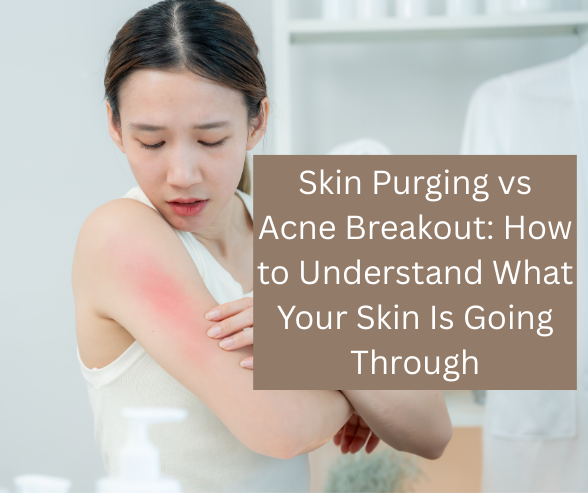
Skin Purging vs Acne Breakout: How to Understand What Your Skin Is Going Through
Jan
With the rise of prescription retinoids, chemical exfoliants, and “active” skincare routines, many people notice a sudden increase in pimples after starting treatment. This often triggers confusion and concern: “Is this treatment making my acne worse?”
The answer depends on whether your skin is experiencing purging or a true breakout. Understanding the difference can reduce anxiety, prevent unnecessary changes, and protect your skin from long-term damage.
Why Acne Sometimes Gets Worse Before It Gets Better
Acne develops when pores are clogged with oil, dead skin cells, and bacteria. Certain treatments—especially retinoids, exfoliating acids, and prescription creams—speed up skin cell turnover.
When skin turnover accelerates, material that was already forming deep inside the pore is pushed to the surface, creating temporary visible pimples. This process is known as skin purging.
In contrast, a true acne breakout arises from new inflammation, often caused by skin irritation, barrier disruption, hormonal changes, stress, or unsuitable skincare products.
Key difference: Purging reveals acne that was already forming; breakouts create new acne.
What Skin Purging Looks Like
Where it appears
Purging usually occurs in areas where you normally experience acne, such as the jawline, cheeks, or forehead.
Type of lesions
Purging typically involves:
-
Small whiteheads or blackheads
-
Mildly inflamed bumps
-
Shallow pimples rather than deep, painful lesions
Timing matters
Purging begins shortly after starting or increasing a treatment known to affect skin cell turnover. The reaction follows a predictable pattern.
Temporary nature
Purging is self-limited. Breakouts gradually reduce as the skin adjusts, usually within a few weeks. Persistent or worsening acne beyond this period suggests something else may be happening.
When It’s Not Purging: True Acne Breakouts
Many people mistakenly attribute worsening acne to purging. Real breakouts, however, often show these signs:
-
New acne appears in areas that are normally clear
-
Pimples become deeper, cyst-like, or painful
-
Redness, itching, or burning accompanies lesions
-
Breakouts continue to worsen instead of calming down
These patterns indicate inflammation or barrier stress, not natural adjustment.
The Role of the Skin Barrier in Acne Flares
A strong skin barrier is crucial. Overuse of active ingredients—like combining multiple acids, retinoids, or harsh cleansers—can compromise it.
Barrier disruption leads to:
-
Increased irritation
-
Defensive oil production
-
Prolonged inflammation
This is not purging. It requires a gentler, supportive approach rather than more aggressive treatment.
How Long Purging Should Last
Purging is temporary. While exact duration varies, it should gradually improve.
If acne spreads, worsens, or causes significant discomfort over several weeks, it is unlikely to be purging. Persistent inflammation deserves professional guidance rather than endurance.
Acne Severity and Skin Type Matter
Acne is not uniform. Mild comedonal acne behaves differently from inflammatory or hormonal acne.
-
Sensitive skin may react more strongly to actives
-
Adult-onset acne may show prolonged irritation
-
Darker skin tones may be prone to post-acne pigmentation
Tailored care is essential; a routine that works for one person may harm another.
Setting Realistic Expectations for Acne Treatment
Acne is often a chronic condition. Treatment focuses on controlling breakouts, reducing inflammation, and maintaining skin barrier integrity.
Signs of progress may include:
-
Fewer new pimples
-
Faster healing
-
Calmer overall skin
Temporary flares can occur, but ongoing worsening is not a necessary step.
When Professional Guidance Helps
If you’re unsure whether your skin is purging or breaking out:
-
Seek advice from a dermatologist or healthcare professional
-
Sometimes adjustments are as simple as frequency changes or barrier support
-
Early guidance prevents unnecessary irritation, scarring, and post-acne marks
A Calm Perspective for Anxious Skin Days
Acne can be emotionally challenging. Worsening skin does not mean you’ve failed—it means your skin is responding.
Understanding the difference between purging and breakouts allows you to respond thoughtfully. With patience and careful guidance, acne care can shift from struggle to support.
Medical Disclaimer:
This content is for educational purposes only and does not replace personalized medical advice. Acne treatment should be tailored to individual skin types and medical history. For persistent or worsening symptoms, consult a qualified healthcare professional.
